From Ambition to Implementation: OMEC Brought the Mediterranean Agenda to COP31
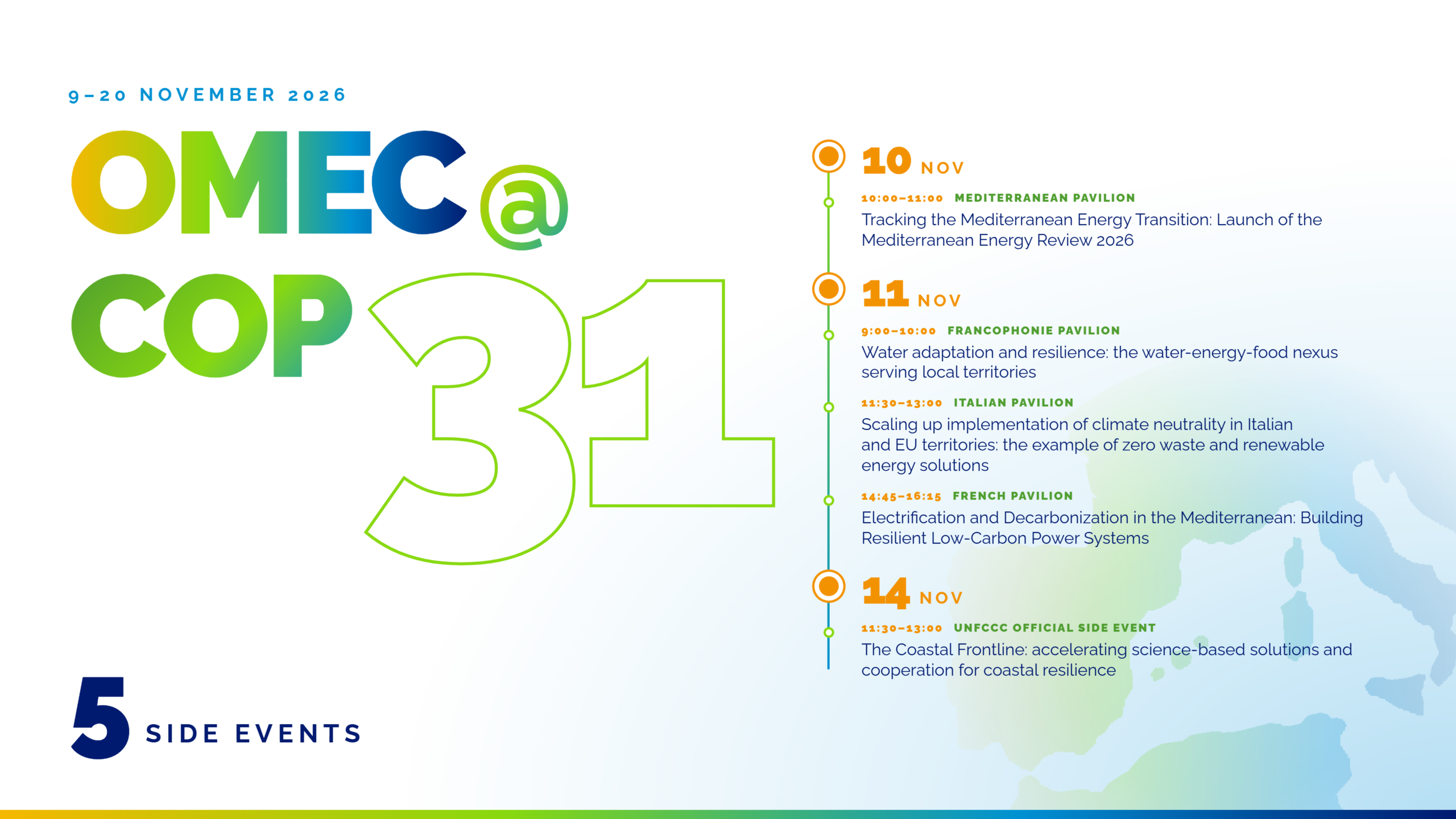
As COP31 shifted the global conversation from ambition to implementation, OMEC took the Mediterranean’s experience to Antalya, Türkiye, where the conference was held from 9 to 20 November 2026. Across the Mediterranean, Italian and French pavilions and the official UNFCCC program, OMEC organized or co-organized five side events.
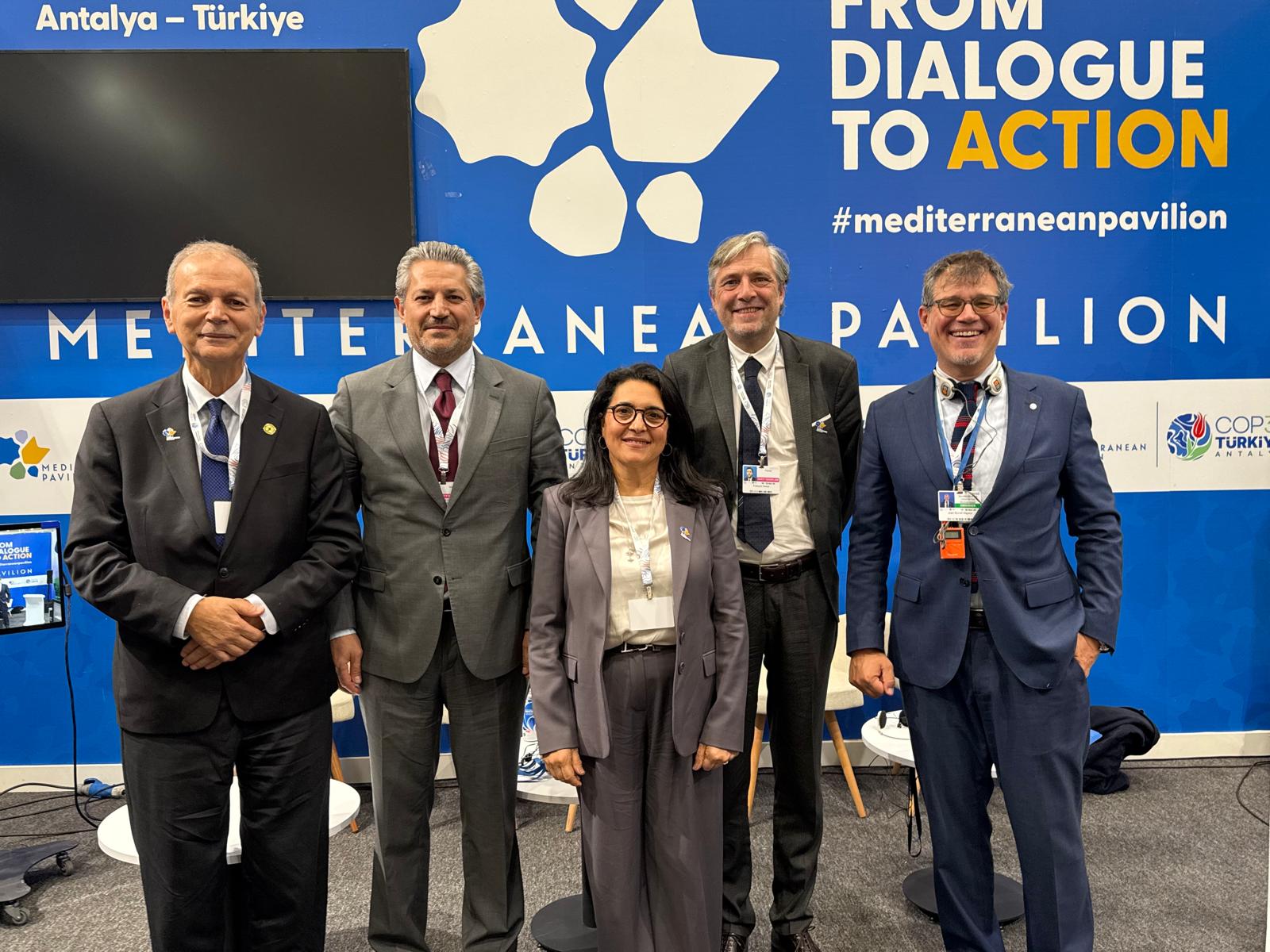
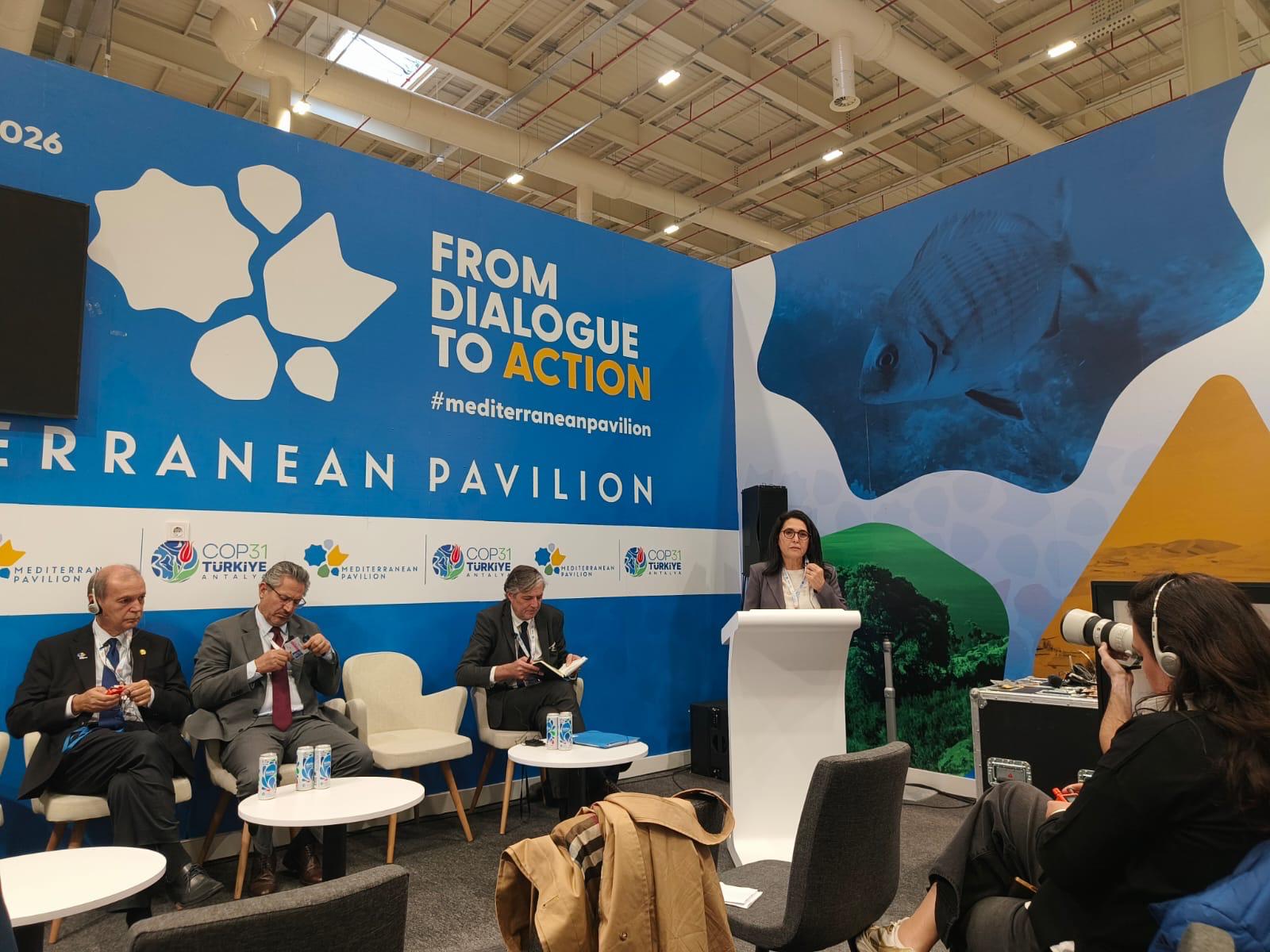
The program opened on 10 November at the Mediterranean Pavilion with the launch of the Mediterranean Energy Review (MER) 2026, developed by OMEC in support of the Union for the Mediterranean (UfM) Energy Platforms and presented with the UfM Secretariat. The only annual publication dedicated exclusively to tracking the energy transition across the 26 Mediterranean countries, the Review covers energy demand, electricity, renewables, efficiency, emissions, energy security, infrastructure and regional cooperation. The launch presented its main findings and opened a dialogue with governments, industry, utilities, regulators and international organizations on where implementation is moving fastest and which priorities should guide Mediterranean energy policy over the next decade.
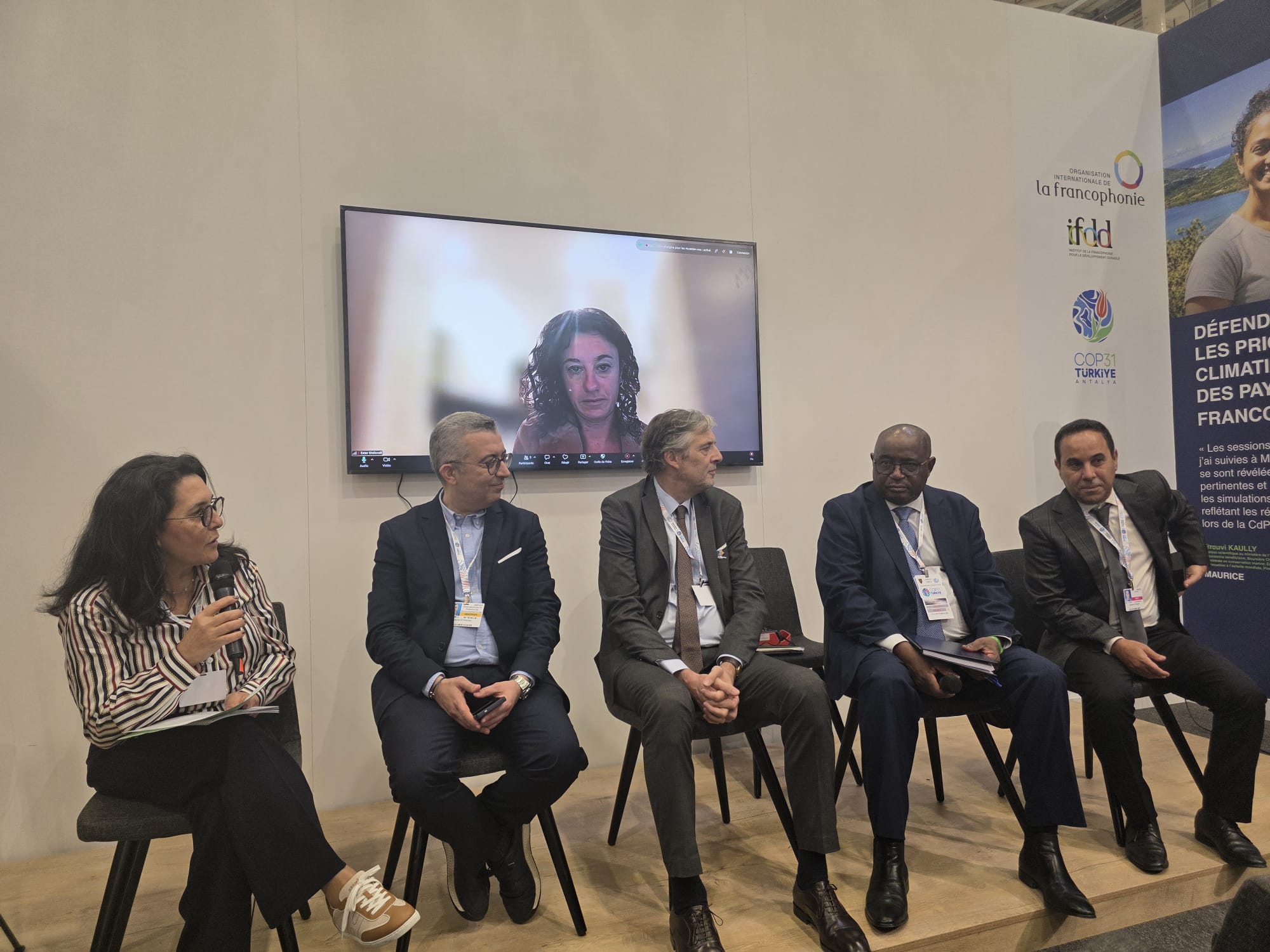
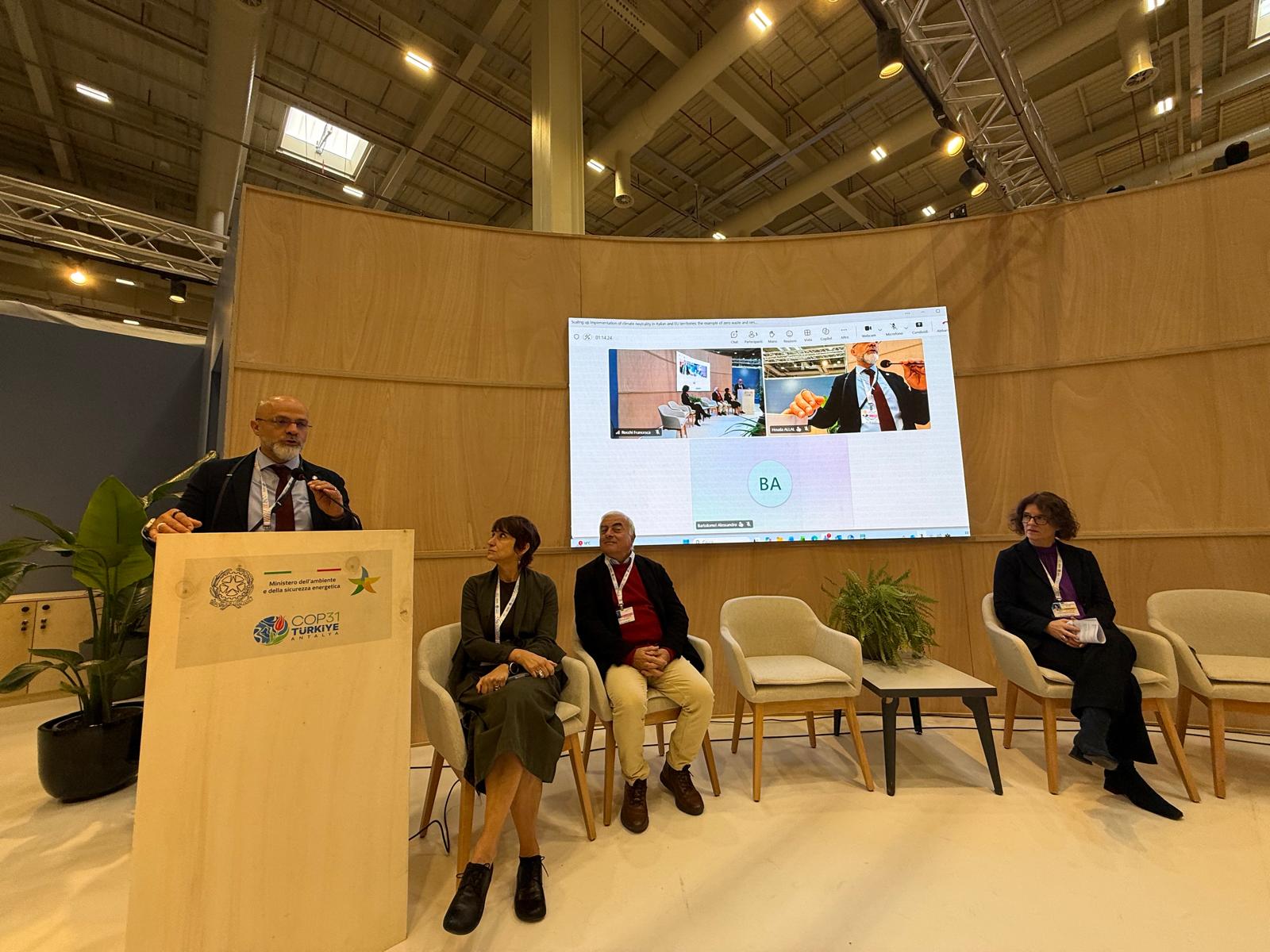
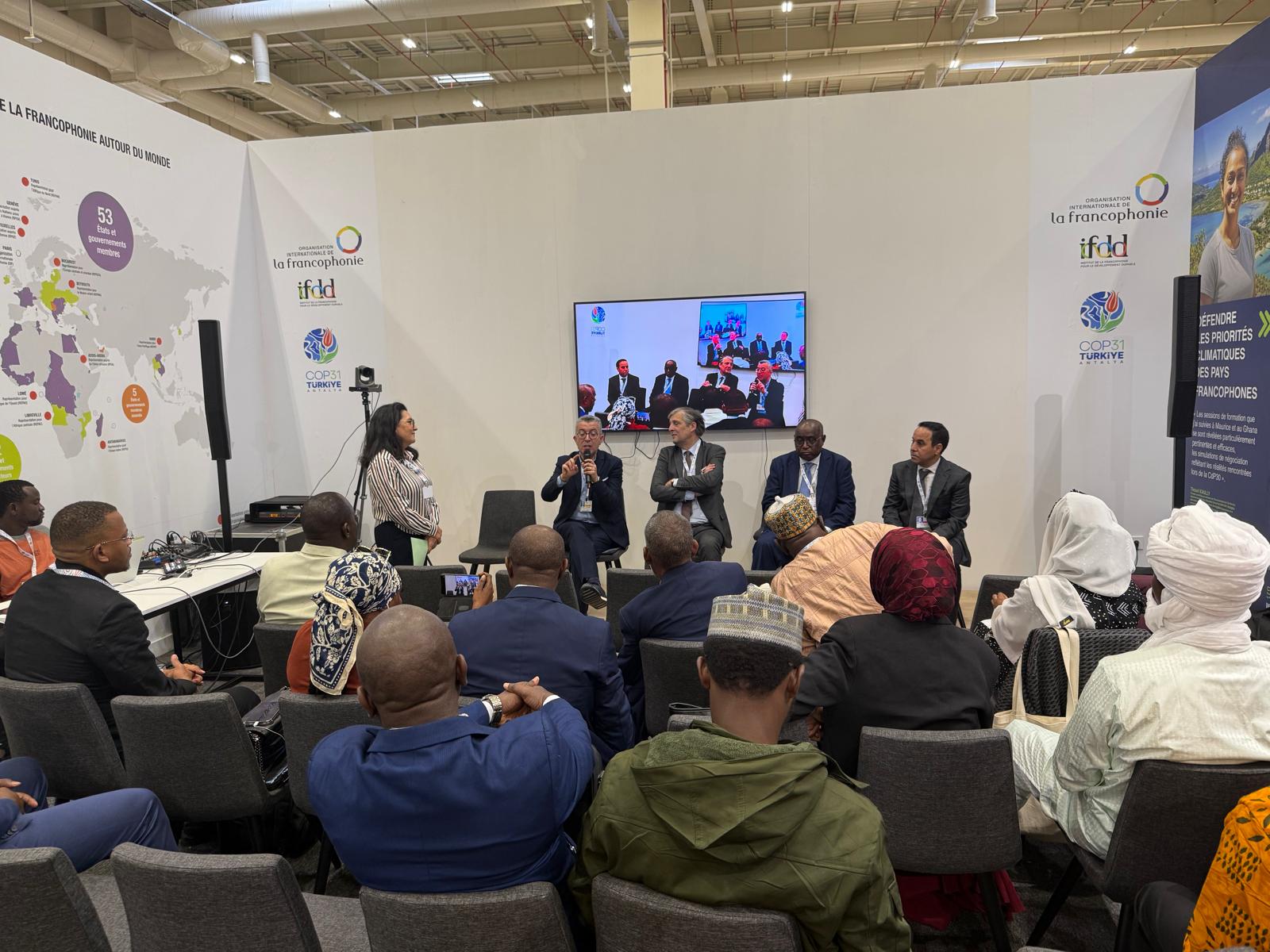
Three OMEC sessions followed on 11 November. At the Italian Pavilion, OMEC, Cisambiente Confindustria, ICLEI Europe and Zero Waste Europe explored how cities and industry can scale up climate neutrality, drawing on Athens’ bio-waste strategy, Italian experience with energy communities and industrial symbiosis, and the role of biomethane in hard-to-abate sectors. At the Francophonie Pavilion, a session on water resilience applied a water-energy-food nexus approach to Mediterranean climate risks, covering desalination powered by low-carbon energy, water reuse, early warning systems and nature-based solutions, with a focus on turning them into bankable adaptation projects. At the French Pavilion, OMEC and the International Atomic Energy Agency (IAEA) examined how nuclear can complement renewables, grids and storage in resilient low-carbon power systems, building on OMEC’s 2026 nuclear study.
On 14 November, OMEC joined CMCC, Hereon and JJS for the UNFCCC Official Side Event “The Coastal Frontline: accelerating science-based solutions and cooperation for coastal resilience.” The panel drew on the perspectives of ocean scientists, coastal communities and youth, energy stakeholders and governments, and centered on how to turn coastal climate risks into finance-ready adaptation and a just energy transition for the Global South.
OMEC thanks its partners for these sessions, the UfM Secretariat, Cisambiente Confindustria, ICLEI Europe, Zero Waste Europe, the IAEA, CMCC, Hereon and JJS, and will keep carrying the Mediterranean agenda from ambition to action.